Seward, Alaska: Things to Do & Travel Guide
The complete Seward, Alaska travel guide: top things to do, Kenai Fjords boat tours, Exit Glacier, the SeaLife Center, getting there, where to stay, and itineraries.
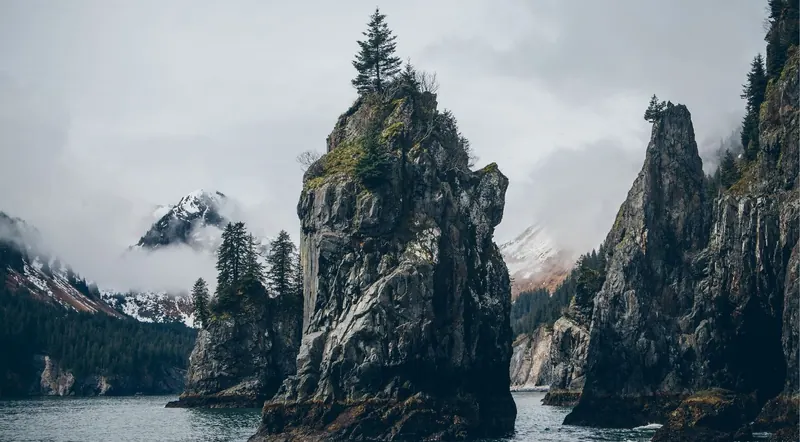
Seward is the single best base for exploring Kenai Fjords National Park, and a day cruise from its Small Boat Harbor is the one thing you should not miss. This small, working fishing port at the head of Resurrection Bay packs glaciers, whales, seabird colonies, WWII history, one of America’s oldest footraces, and Alaska’s only public aquarium into a town you can walk end to end.
Seward sits about 127 miles south of Anchorage on the eastern Kenai Peninsula, cradled between the Kenai Mountains and the deep, protected waters of Resurrection Bay. It’s the gateway community for Kenai Fjords National Park, the ocean terminus of the Alaska Railroad, a growing cruise port, and Mile 0 of the Iditarod National Historic Trail.
Top things to do in Seward
- Take a Kenai Fjords boat tour from the Small Boat Harbor — the #1 activity (glaciers + whales)
- Visit the Alaska SeaLife Center — puffins, sea lions, octopus; the best rainy-day option
- Hike or view Exit Glacier — the most accessible glacier in the park, a short drive from town
- Sea kayak Resurrection Bay, Aialik Bay, or Bear Glacier Lagoon
- Go sportfishing for halibut and silver salmon
- Hike Mount Marathon for a big view over town (or watch the July 4th race)
- Flightsee or dog-sled on a glacier by helicopter
- Explore the waterfront — Iditarod Mile 0, the harbor, breweries, and seafood
- Hike to Caines Head and the WWII Fort McGilvray bunkers (tide-dependent)
Kenai Fjords boat tours: the signature experience
If you do one thing in Seward, make it a day cruise into Kenai Fjords National Park. These tours depart from the Small Boat Harbor and range from roughly 3.5-hour Resurrection Bay wildlife cruises to full-day, 6-to-8-hour voyages out to the tidewater glaciers of Aialik Bay and Northwestern Fjord. On the water you have an excellent chance of seeing humpback whales, orcas, Steller sea lions, sea otters, harbor seals, Dall’s porpoise, puffins, and other seabirds — capped by the spectacle of a glacier calving ice into the sea.
Which tour to pick depends on your time and sea legs. Shorter Resurrection Bay cruises stay in more protected water and are a good choice for families and anyone worried about seasickness; longer runs to the glaciers reach the park’s most dramatic scenery but spend more time in open ocean. We break down every operator and itinerary in our dedicated Kenai Fjords boat tours guide. Most tours include a meal or snack, with narration from the boat’s own captain and crew — per the National Park Service, rangers are no longer stationed aboard tour boats. Book ahead for July and August — the best departures sell out. The most-reviewed cruise in the park is the one in the booking box near the top of this page.
Other experiences you might enjoy
Beyond the glacier cruise, travelers add helicopter flightseeing over the Harding Icefield, sea kayaking in Resurrection Bay, or whale watching.
Alaska SeaLife Center
On the downtown waterfront at 301 Railway Avenue, the Alaska SeaLife Center is Alaska’s only public aquarium and its only permanent marine mammal rehabilitation facility. It opened in 1998, built largely with funds from the Exxon Valdez oil spill settlement, and combines a public aquarium with active marine research and a wildlife rescue program.
Visitors get face-to-face with puffins diving through a two-story seabird tank, Steller sea lions and harbor seals gliding past oversized underwater windows, a giant Pacific octopus, king crab, and a hands-on tide-pool touch tank. For an extra fee and with advance reservations, you can book close-up encounters. Plan on about 1.5 to 2 hours — it’s the best rainy-day activity in town and an ideal way to fill the hours if you’re on the train’s day-trip layover.
Exit Glacier & the Harding Icefield Trail
Exit Glacier is the only part of Kenai Fjords National Park you can reach by road — about a 15-minute drive from downtown via Herman Leirer Road, with the nature center roughly 8.4 miles from the highway turnoff. From the parking area, a partially paved, roughly one-mile Glacier View Loop is largely wheelchair-accessible and delivers a close look at the blue ice.
For serious hikers, the Harding Icefield Trail is the payoff: about 8.2 miles round trip with more than 3,000 feet of elevation gain, typically 6–8 hours, ending at an overlook onto the vast Harding Icefield that feeds the park’s glaciers. It’s strenuous and often holds snow into summer. Watch for black bears — carry bear spray and make noise. The Exit Glacier Road is closed to vehicles roughly late October to mid-May.
Mount Marathon
Rising abruptly behind downtown, Mount Marathon (3,022 feet) is Seward’s backyard peak and the stage for the oldest mountain race in North America. The Mount Marathon Race, run every Fourth of July, was formally organized in 1915 and today draws elite mountain runners and packs the town with thousands of spectators. You don’t have to race to enjoy it — a hiker’s trail climbs steeply to Race Point on the ridge for panoramic views over Resurrection Bay. It’s a demanding, calf-burning ascent and one of the earliest snow-free hikes on the Kenai Peninsula.
Sea kayaking, fishing & flightseeing
Sea kayaking. Resurrection Bay’s sheltered coves make Seward one of Alaska’s best places to paddle. Half-day tours near town suit beginners; Aialik Bay day trips combine a catamaran cruise with paddling near a calving glacier; and Bear Glacier Lagoon — a freshwater lagoon full of icebergs, reachable only by water taxi or helicopter — is the showstopper. See our full sea kayaking guide or browse the options in our tours list.
Sportfishing. Seward is one of Alaska’s premier saltwater fishing ports. Halibut is the mainstay (full-day trips toward the open Gulf), king salmon move into the bay from late May into July, and silver (coho) salmon are the August headliner. The Seward Silver Salmon Derby each August is one of the highest-dollar fishing derbies in the state.
Flightseeing & glacier dog sledding. For a bird’s-eye view of the Harding Icefield and glaciers you can’t otherwise reach, book a helicopter flightseeing tour. The signature summer experience is helicopter glacier dog sledding: a scenic flight to a snow camp atop a glacier where you meet an Iditarod-caliber sled-dog team. These tours run roughly mid-May through early September and are weather-dependent.
The waterfront, harbor & downtown
The Seward Small Boat Harbor is the heart of the visitor scene — hundreds of fishing and charter boats, tour offices, gear shops, and harborside restaurants and breweries. The paved Seward Waterfront path runs from downtown along Resurrection Bay through the harbor, following the Iditarod Trail — perfect for a stroll or a bike ride.
Downtown, don’t miss Mile 0 of the Iditarod National Historic Trail on Railway Avenue, the Seward Community Library & Museum (with strong Iditarod, Russian-era, and 1964 earthquake exhibits), and the Benny Benson Memorial, honoring the 13-year-old Alutiiq boy from Seward who designed the Alaska state flag in 1927.
Getting there & getting around
Driving from Anchorage is the most flexible option: the Seward Highway runs 127 miles south, a National Scenic Byway and All-American Road, taking about 2.5 to 3 hours without stops.
The Alaska Railroad Coastal Classic is the most memorable way to arrive. In 2026 it operates daily from May 15 to September 13, departing Anchorage at 6:45 a.m. and arriving in Seward around 11:20 a.m., then leaving Seward at 6:00 p.m. The schedule is built for a day trip with time for a boat cruise. For the full comparison of driving, the train, and shuttles, see our how to get to Seward from Anchorage guide.
Getting around town: Seward is walkable, with most attractions within about a mile of the harbor, and a free summer shuttle loops between the cruise terminal, harbor, downtown, and depot. A car is genuinely useful for reaching Exit Glacier and Lowell Point, though not essential if you stick to town and book tours with pickup.
Where to stay & eat
Book well ahead for July and August — Seward’s rooms fill months in advance, and the Fourth of July weekend is essentially sold out. Harbor-area hotels (such as the Harbor 360 Hotel) put you steps from the cruises; the historic downtown district puts you near the museum and SeaLife Center; and the Seward Windsong Lodge near Exit Glacier Road offers a quieter, wooded base.
Seafood dominates the dining scene, clustered around the harbor and downtown — halibut, salmon, and king crab with big bay views, plus craft breweries and cafés. Many restaurants are seasonal (roughly May–September), so confirm hours before you go.
When to visit
The main visitor season runs roughly mid-May to mid-September. June is the driest month with the longest days; July is peak season with the warmest weather and the Mount Marathon Race; August brings the silver-salmon runs but wetter weather; and September is quieter with fall color and thinner crowds. Summer highs typically run 55–65°F, and rain gear is non-negotiable year-round. For a full month-by-month breakdown tied to the park, see our best time to visit guide.
Suggested itineraries
| Trip length | Suggested plan |
|---|---|
| One day (train day-trippers) | Arrive on the morning train (~11:20 a.m.); take an afternoon Resurrection Bay wildlife cruise or visit the SeaLife Center and stroll the harbor; catch the 6:00 p.m. train back. |
| One day (cruise passengers) | Use the free shuttle downtown; visit the SeaLife Center, walk to Iditarod Mile 0, grab harborside seafood; if time allows, a short glacier/wildlife cruise or a taxi to Exit Glacier. |
| Two days | Day 1: full-day Kenai Fjords glacier & wildlife cruise. Day 2: Exit Glacier and the Glacier View Loop, then the SeaLife Center and downtown. |
| Three days | Add sea kayaking (Aialik or Bear Glacier Lagoon), a helicopter glacier dog-sled tour, a fishing charter, or the tide-timed hike to Caines Head and Fort McGilvray. |
Anchor at least one full day around the boat tour — it’s the reason most people come. If you’re based in Anchorage, our how to get to Seward guide shows how to do it in a single day.
Frequently asked questions
Is Seward worth visiting? Yes — emphatically. Seward combines easy access to tidewater glaciers, world-class wildlife cruising, an excellent aquarium, hiking for every ability, and a compact, walkable town. It’s one of the best-value stops in Alaska for the amount of scenery within a day’s reach.
How many days do you need in Seward? One day is enough for a boat tour or the SeaLife Center. Two days lets you combine a cruise with Exit Glacier. Three days is ideal — add kayaking, fishing, a flightseeing tour, or a longer hike.
How far is Seward from Anchorage? About 127 miles via the Seward Highway, roughly 2.5–3 hours by car. The Coastal Classic train takes just over four hours each way.
Can you see glaciers from Seward? Yes. Exit Glacier is a short drive and walk away, and boat tours reach the tidewater glaciers of Aialik Bay and Northwestern Fjord. Helicopter tours land on glaciers up in the icefield.
What is there to do in Seward when it rains? The Alaska SeaLife Center is the top rainy-day pick, along with the Seward Museum, breweries, and cafés. Boat tours and many hikes run rain or shine with proper gear.
See a Glacier Calve Into the Sea
The most-booked cruise in Kenai Fjords National Park — more than 940 guests, 4.8 out of 5. A tidewater glacier, a deli lunch on board, and free cancellation up to 24 hours before you sail.
Check Availability & Book