Kenai Fjords National Park: Complete Visitor Guide
The complete Kenai Fjords National Park guide: glaciers, wildlife, boat tours, getting there, when to visit, and everything you need to plan your trip from Seward.
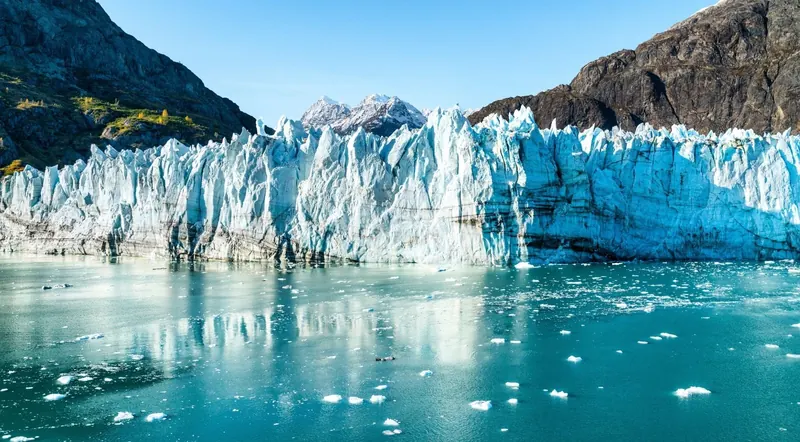
Kenai Fjords National Park protects 669,984 acres on Alaska’s Kenai Peninsula, built around one enormous feature: the roughly 700-square-mile Harding Icefield and the at least 38 glaciers that flow from it toward the sea. There’s no entrance fee, and the park is experienced almost entirely from the water — a day cruise out of the Seward Small Boat Harbor is how the vast majority of visitors see it.
This guide covers everything you need to plan a trip: the park’s geography and glaciers, its wildlife, how to get there, when to go, and every way to experience it — from a short boat tour to a multi-day backcountry stay. If you already know a cruise is what you’re after, jump straight to our Kenai Fjords boat tours guide to pick the right one.
The single most-booked cruise in the park is Major Marine’s Glacier Cruise with Lunch — the most-reviewed tour on the water, and the safest first-timer’s pick. Check live dates and prices below, or weigh every category in the boat tours guide.
Kenai Fjords at a glance
- Location: Kenai Peninsula, south of Seward — 127 miles south of Anchorage
- Size: 669,984 acres (about 1,047 square miles), including roughly 545 miles of coastline
- Established: National monument in 1978; national park in 1980 under ANILCA
- Entrance fee: None
- How most people see it: A boat tour from the Seward Small Boat Harbor
- Signature feature: The Harding Icefield and its glaciers — Exit, Aialik, Holgate, Bear, Northwestern, Pedersen and more
- Only road-accessible area: Exit Glacier
- Main season: Full-day glacier cruises from early May to late September; shorter Resurrection Bay cruises from March to October
Park fundamentals
President Jimmy Carter first designated the area a national monument on December 1, 1978, under the Antiquities Act. It became a national park on December 2, 1980, with the passage of the Alaska National Interest Lands Conservation Act (ANILCA) — the largest act of land conservation in U.S. history. At 669,984 acres it’s the smallest of Alaska’s national parks, but its impact is outsized.
There’s no entrance fee and no day-hiking permit requirement. The main Kenai Fjords Visitor Center sits at 1212 4th Avenue in Seward near the Small Boat Harbor, and the Exit Glacier Nature Center is open daily from Memorial Day weekend through Labor Day.
Other experiences you might enjoy
Travelers out of Seward often add helicopter flightseeing over the Harding Icefield, sea kayaking in Aialik Bay, or whale watching.
The Harding Icefield: the source of everything
Nearly every glacier, fjord, and wildlife encounter in this park traces back to one feature: the Harding Icefield. It spans roughly 700 square miles, reaches depths of up to 4,000 feet, and receives more than 400 inches of snow a year. It’s the largest icefield contained entirely within the United States and a remnant of the Pleistocene ice sheets that once covered much of Alaska. It’s named for President Warren G. Harding, the first sitting U.S. president to visit Alaska.
At least 38 glaciers flow outward from the icefield in every direction; 12 of them terminate within park boundaries: Lowell, Exit, Bear, Skee, Lechner, Aialik, Addison, Pedersen, Holgate, Northwestern, McCarty, and Split.
Glaciers: the headline attraction
The park’s glaciers split into two broad types. Tidewater glaciers — Aialik, Holgate, and Northwestern — flow all the way to the sea and calve icebergs directly into salt water; these are the glaciers boat cruises are built around. Land- and lake-terminating glaciers include Exit Glacier (reachable by road) and Bear and Pedersen glaciers, which end in freshwater lagoons rather than the ocean.
- Exit Glacier is the only glacier in the park you can drive to, via Herman Leirer Road off the Seward Highway. Year-marker signs along the road and trail trace its retreat — about 2.5 km since its 1815 Little Ice Age maximum.
- Aialik Glacier is the largest and most actively calving tidewater glacier in the park, over a mile wide and 300–400 feet tall, and the primary destination for 6-hour cruises.
- Holgate Glacier, narrower but taller, is notable for advancing in recent years — an outlier among the park’s largely retreating ice.
- Bear Glacier, the park’s longest at about 12 miles, ends in an iceberg-choked lagoon reachable only by water taxi, kayak, or helicopter.
- Northwestern Glacier anchors the remote Northwestern Fjord, reached only on the longest cruises.
- Pedersen Glacier feeds a wildlife-rich lagoon in Aialik Bay.
Watching a glacier calve — a slab of ice shearing off and crashing into the sea — is the moment most visitors remember. It’s often called “white thunder,” because the sound arrives a beat after you see the ice fall.
The three ways to experience the park
By road — Exit Glacier only. Herman Leirer Road turns off the Seward Highway about 3 miles north of town and runs 8.4 miles to the Exit Glacier Nature Center. From there, the paved, roughly 1-mile Glacier View Loop is accessible to nearly everyone, while the strenuous Harding Icefield Trail (8.2 miles round trip, 3,000+ feet of gain, 6–8 hours) climbs to a sweeping overlook of the icefield itself. The road closes to vehicles roughly late October through mid-May.
By boat — the coastal fjords. This is how most visitors experience the park. Cruises depart the Seward Small Boat Harbor and range from short wildlife cruises in Resurrection Bay — which is technically outside the park boundary and doesn’t reach tidewater glaciers — to full-day trips into Aialik Bay and the remote Northwestern Fjord. See our complete boat tours guide for every option.
By backcountry — cabins and kayaking. Two rustic NPS public-use cabins (Aialik and Holgate) sit right on the coast, reservable on recreation.gov starting each January 1. Guided sea kayaking reaches Aialik Bay, Pedersen Lagoon, and Bear Glacier Lagoon.
Wildlife
Kenai Fjords is a wildlife stronghold built on a productive marine ecosystem where cold, nutrient-rich Gulf of Alaska water meets the coast. On the water, expect a strong chance of humpback whales, orcas (fish-eating resident pods are most common; Major Marine names mid-May to June as its best orca viewing), sea otters, Steller sea lions, and harbor seals — some hauled out on floating glacier ice near Aialik and Northwestern. Dall’s porpoise frequently bow-ride, and gray whales pass through on their spring migration in April.
Overhead and on the cliffs, look for horned and tufted puffins, common murres, black-legged kittiwakes, and bald eagles, especially around the Chiswell Islands, part of the Alaska Maritime National Wildlife Refuge. On land, mountain goats dot the cliffs and black bears and moose are sometimes seen near Exit Glacier. For monthly wildlife timing, our best time to visit guide breaks the season down species by species.
Getting there
Seward sits at the head of Resurrection Bay, 127 miles south of Anchorage via the Seward Highway — a designated National Scenic Byway, taking roughly 2.5–3 hours to drive. The Alaska Railroad Coastal Classic runs the route in summer, departing Anchorage around 6:45 a.m. and arriving in Seward by late morning, with an evening return. For a full breakdown of transport options and whether a day trip works, see our how to get to Seward from Anchorage guide.
Boat tours: the main event
Tours depart the Seward Small Boat Harbor and fall into a few categories: short Resurrection Bay wildlife cruises (3.5–5 hours, no tidewater glacier), Aialik Bay glacier and wildlife cruises (about 6–7.5 hours, one or two tidewater glaciers), and the Northwestern Fjord cruise (8–9 hours, the most remote and complete option). The two major operators are Kenai Fjords Tours and Major Marine Tours, alongside smaller vessel operators. Note that, per the National Park Service, rangers are no longer stationed aboard tour boats — narration comes from the operators’ own captains and crew.
Whichever category you pick, book ahead for July and August. Live dates and prices for the most-booked cruise are in the booking box at the top of this page.
When to visit
Full-day cruises into the park run from early May to late September, and shorter Resurrection Bay cruises from March to October. June is generally the sweet spot — the driest month in Seward, with the longest daylight and a full tour schedule — while July is warmest and busiest, and September has far fewer park visitors but much wetter weather. Ice can block the remote Northwestern Fjord early in the season. For the full month-by-month breakdown, see our best time to visit guide.
Practical visitor info
Pack warm layers with a waterproof shell regardless of the forecast — our what to expect on a cruise guide covers exactly what to wear. Resurrection Bay is generally calm, but full-day cruises cross a stretch of open Gulf of Alaska water that can be rough; if you’re prone to motion sickness, read the seasickness section of that same guide or consider a shorter Resurrection Bay cruise. There’s no cell service inside the park.
Frequently asked questions
Is there an entrance fee for Kenai Fjords National Park? No. The park has no entrance fee and no day-hiking permit requirement. What you pay for is transport — the fjords and tidewater glaciers can only be reached by boat or aircraft.
How do most people visit Kenai Fjords? By boat. The park’s coastline is accessible almost entirely by water, and a day cruise from Seward’s Small Boat Harbor is how the large majority of visitors experience it. Exit Glacier is the only part reachable by road.
How far is Kenai Fjords from Anchorage? About 127 miles to Seward, roughly 2.5–3 hours by car or about 4.5 hours by the Alaska Railroad’s Coastal Classic train.
What’s the biggest glacier in the park? Bear Glacier, at about 12 miles long, is the park’s largest overall; Aialik Glacier is the largest tidewater (ocean-terminating) glacier.
Will I see whales? Very likely on a full-day cruise in season — humpbacks and orcas are the most common, though sightings are never guaranteed.
Are National Park rangers aboard the tour boats? No — per the National Park Service, rangers are no longer stationed aboard tour boats. Narration comes from the operators’ own captains and crew.
See a Glacier Calve Into the Sea
The most-booked cruise in Kenai Fjords National Park — more than 940 guests, 4.8 out of 5. A tidewater glacier, a deli lunch on board, and free cancellation up to 24 hours before you sail.
Check Availability & Book