The one thing to understand before you book
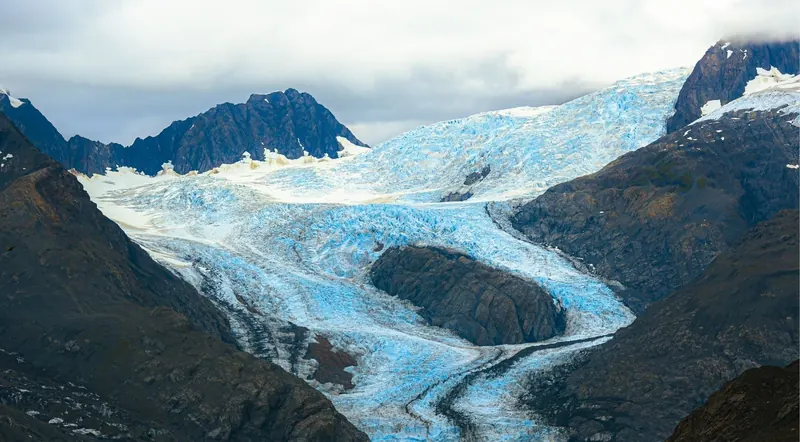
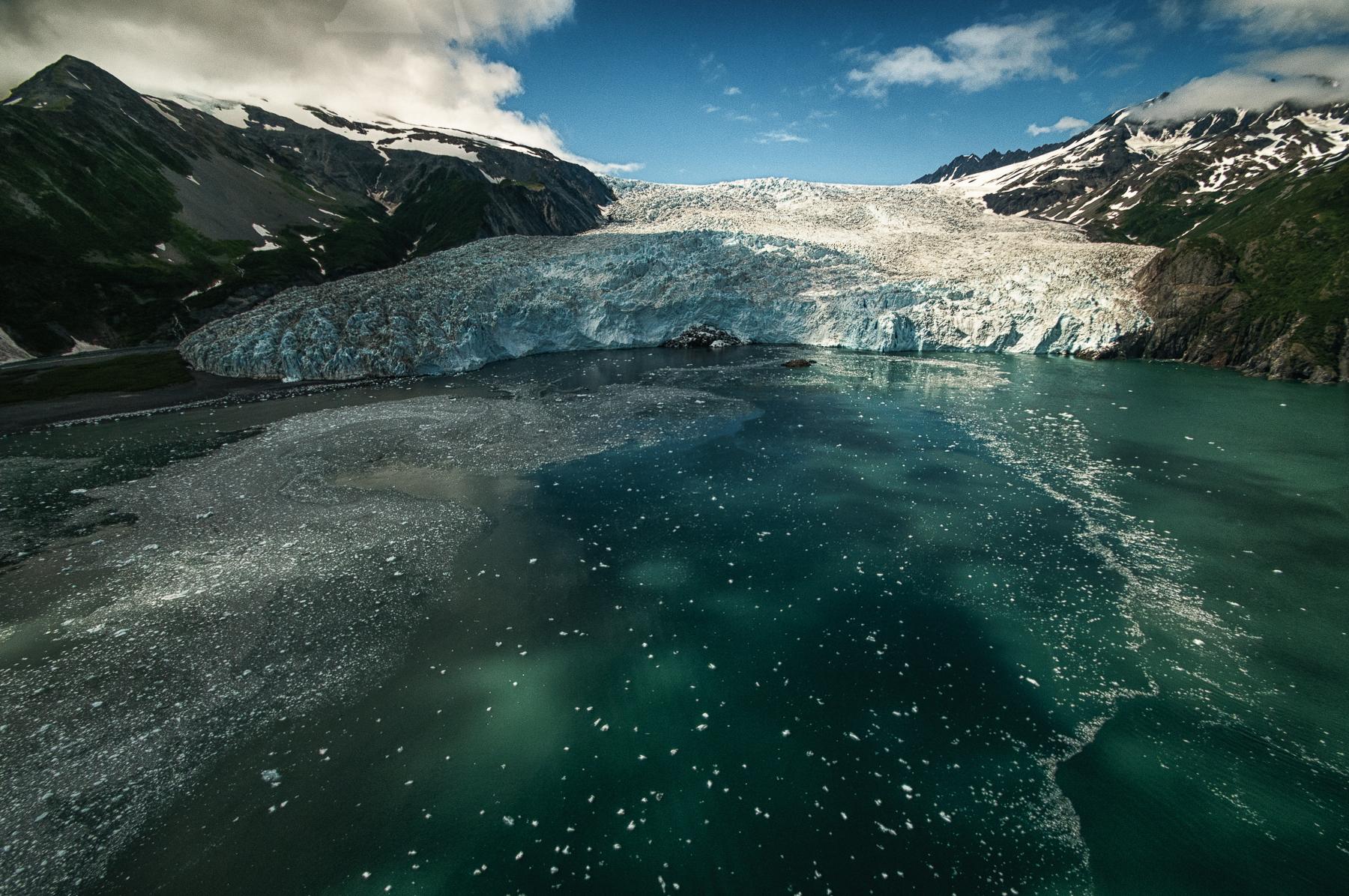
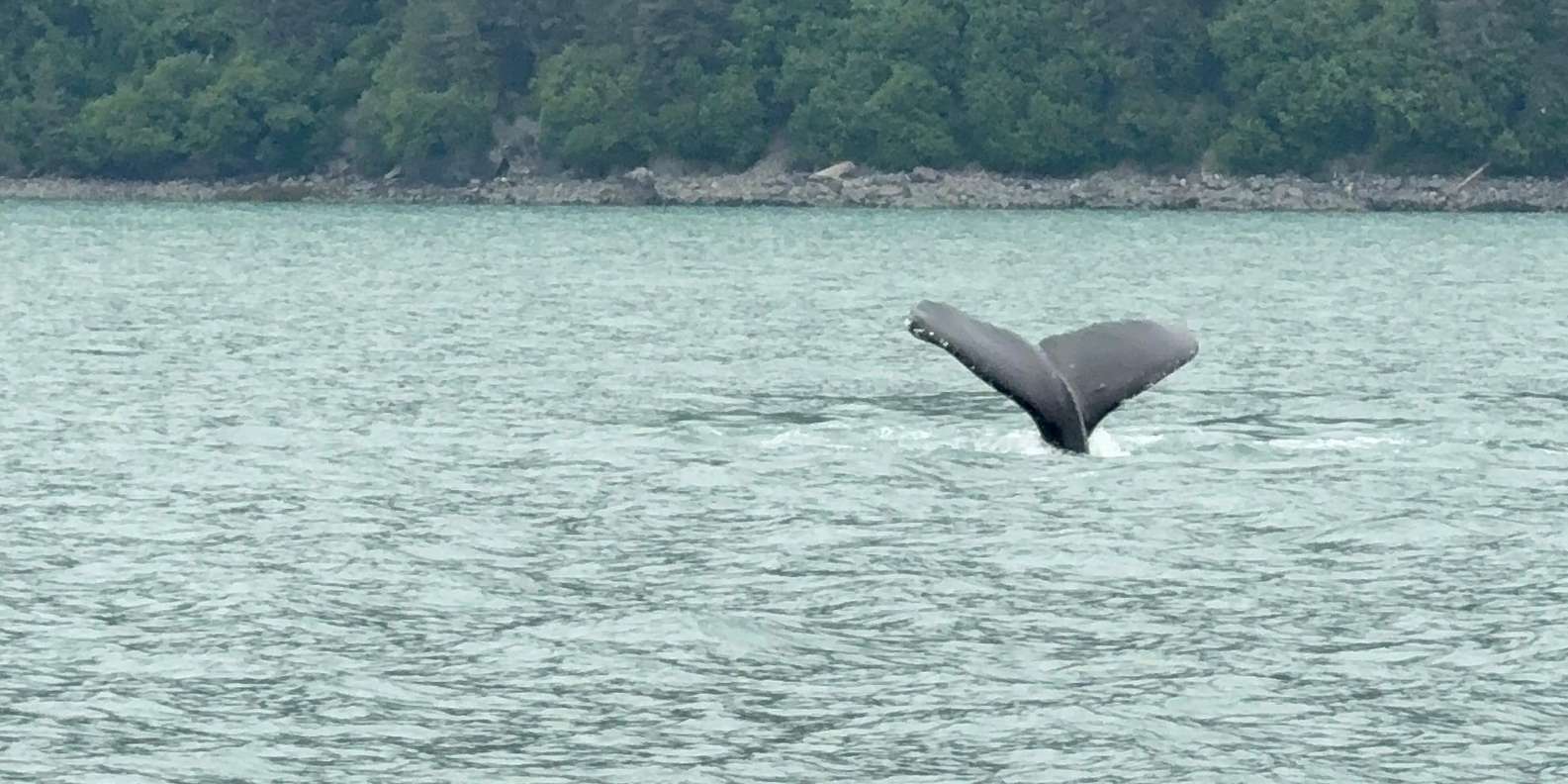
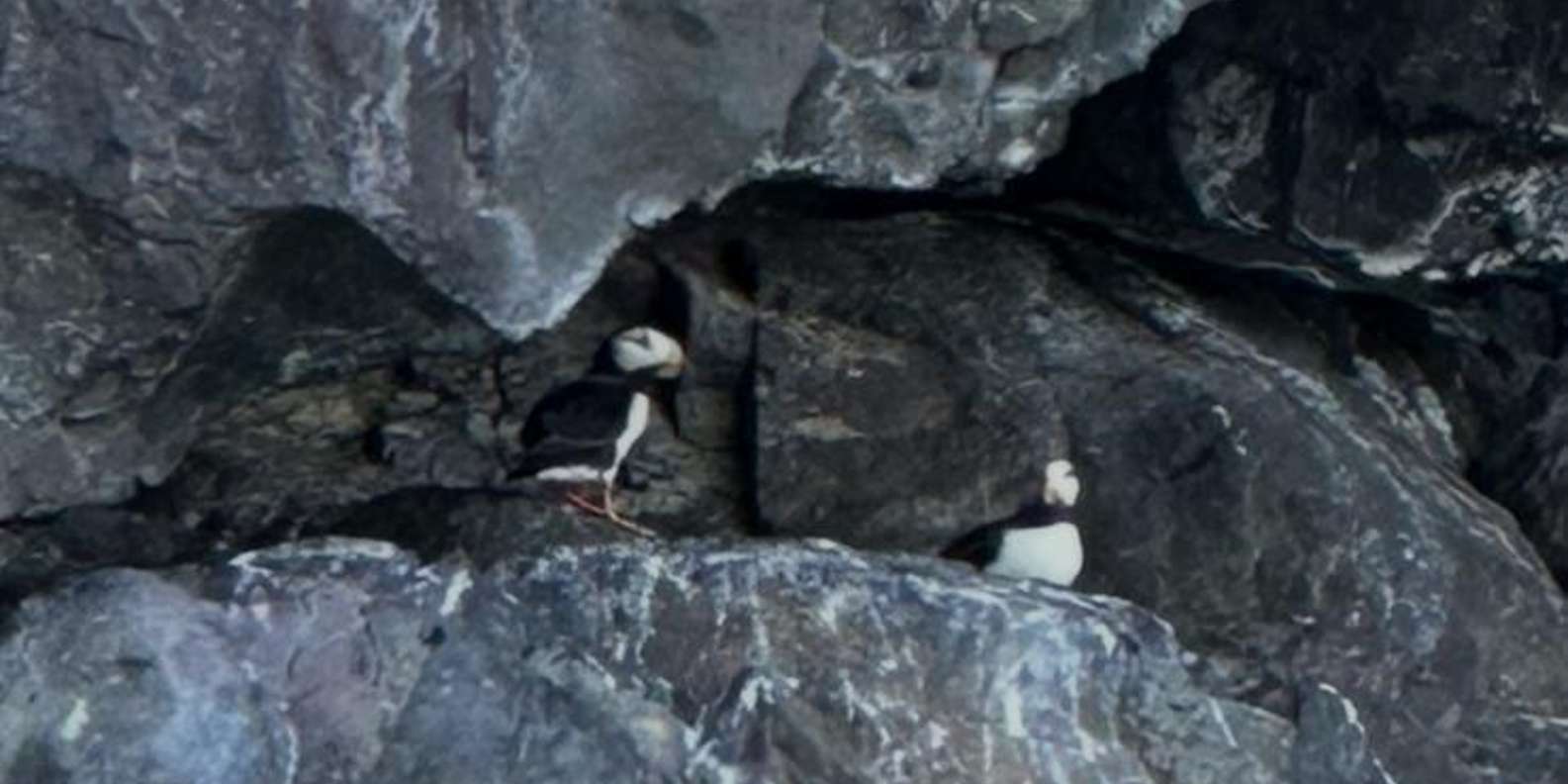
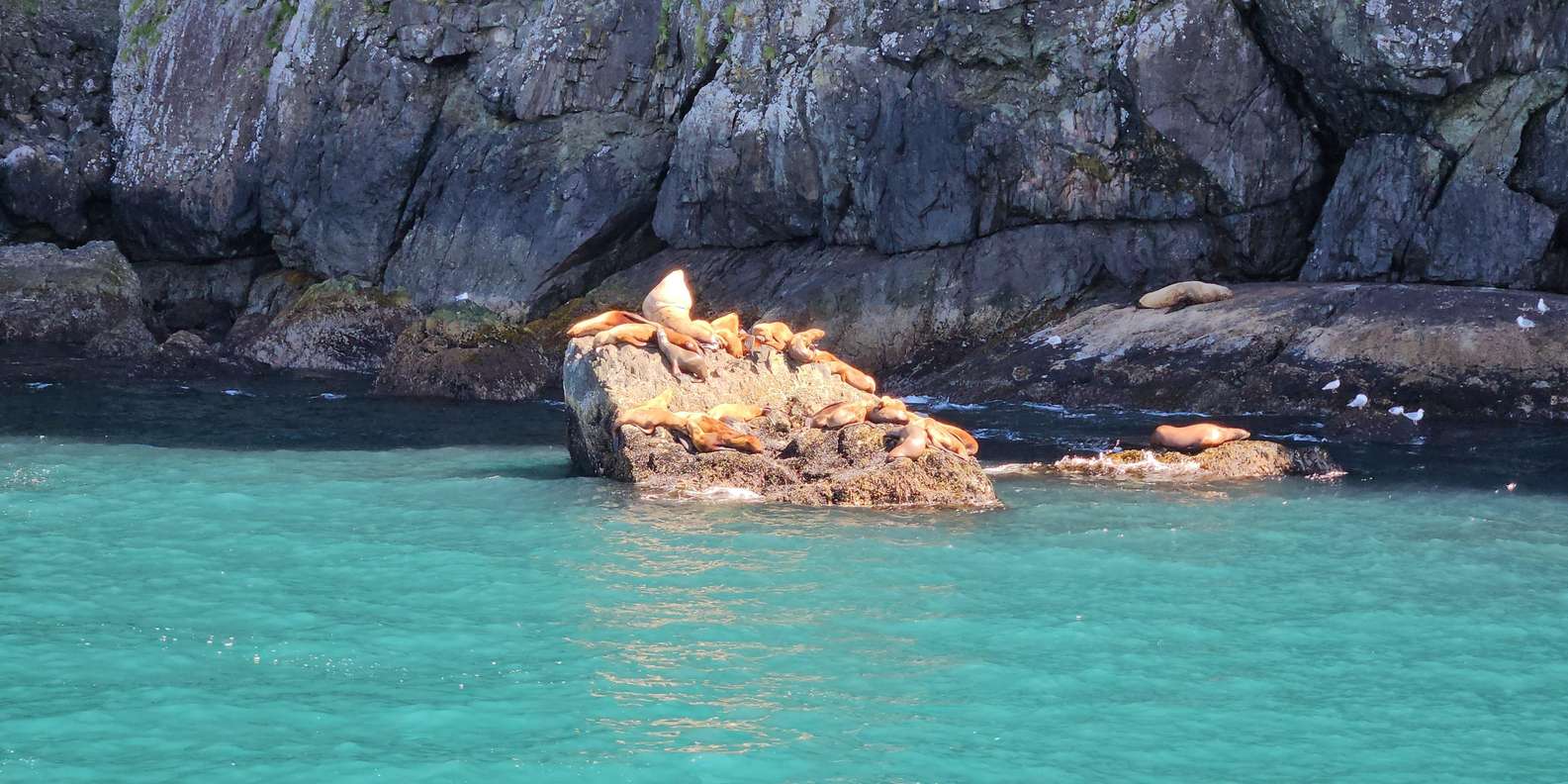
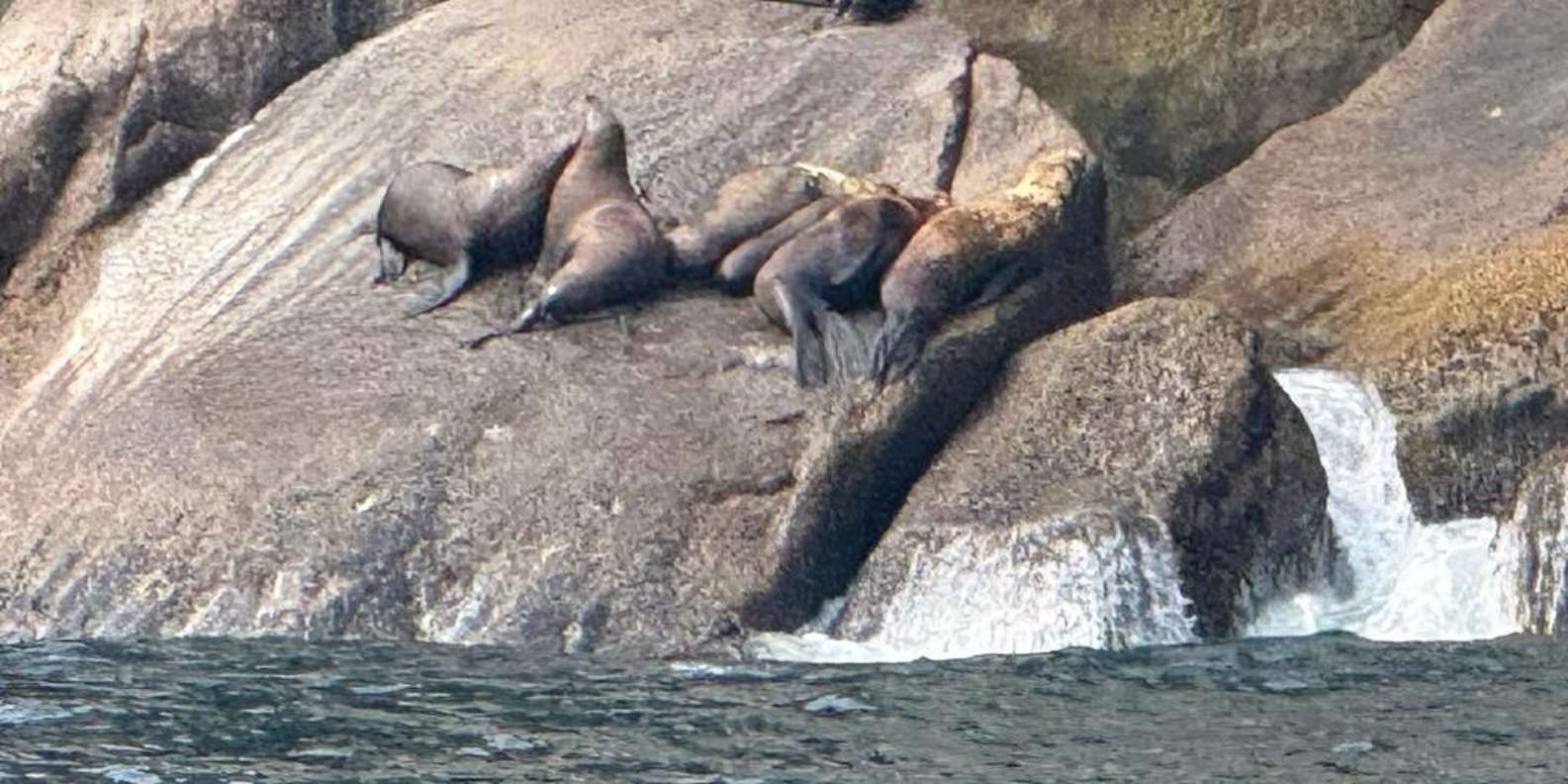
Kenai Fjords is a park you cannot really drive into. There is no entrance fee and no entrance gate — the National Park Service charges nothing to visit — but that generosity is slightly misleading, because almost none of the park is reachable by road. A single road runs to Exit Glacier, and that is the whole of the park’s vehicular access. Everything the place is famous for — the tidewater glaciers that calve directly into the sea, the sea-stack seabird colonies, the humpbacks and orcas and Steller sea lions — sits along a coastline with no roads at all.
So the real cost of seeing Kenai Fjords is not a park ticket. It’s a boat.
That reframing matters, because it explains the pricing you are about to compare. You are not paying for access to a landscape; you are chartering a seat on a vessel that can carry you out through Resurrection Bay, into the open Gulf of Alaska, and hold position safely in front of a wall of moving ice. The further out a boat goes and the longer it stays, the more it costs. That is essentially the entire pricing logic of this park — and once you see it, choosing between the tours becomes much easier.
What the price difference actually buys
Cruises from Seward fall into two honest categories, and the marketing does not always make the line between them obvious.
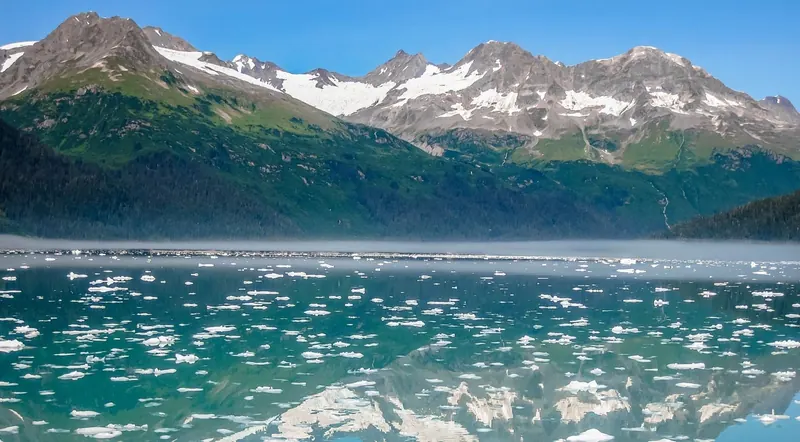
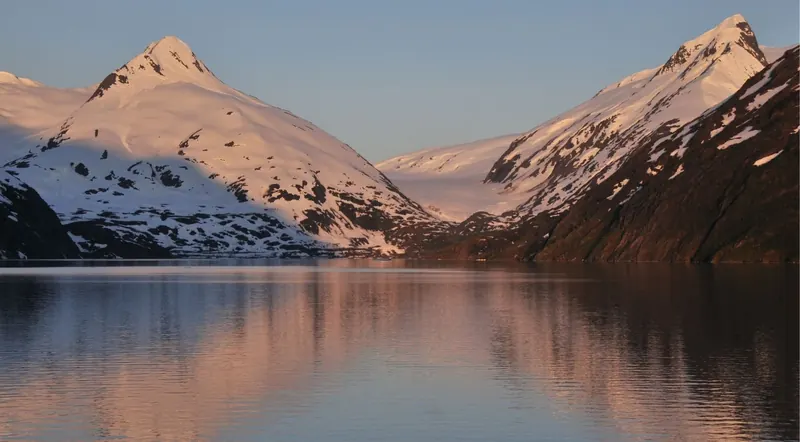
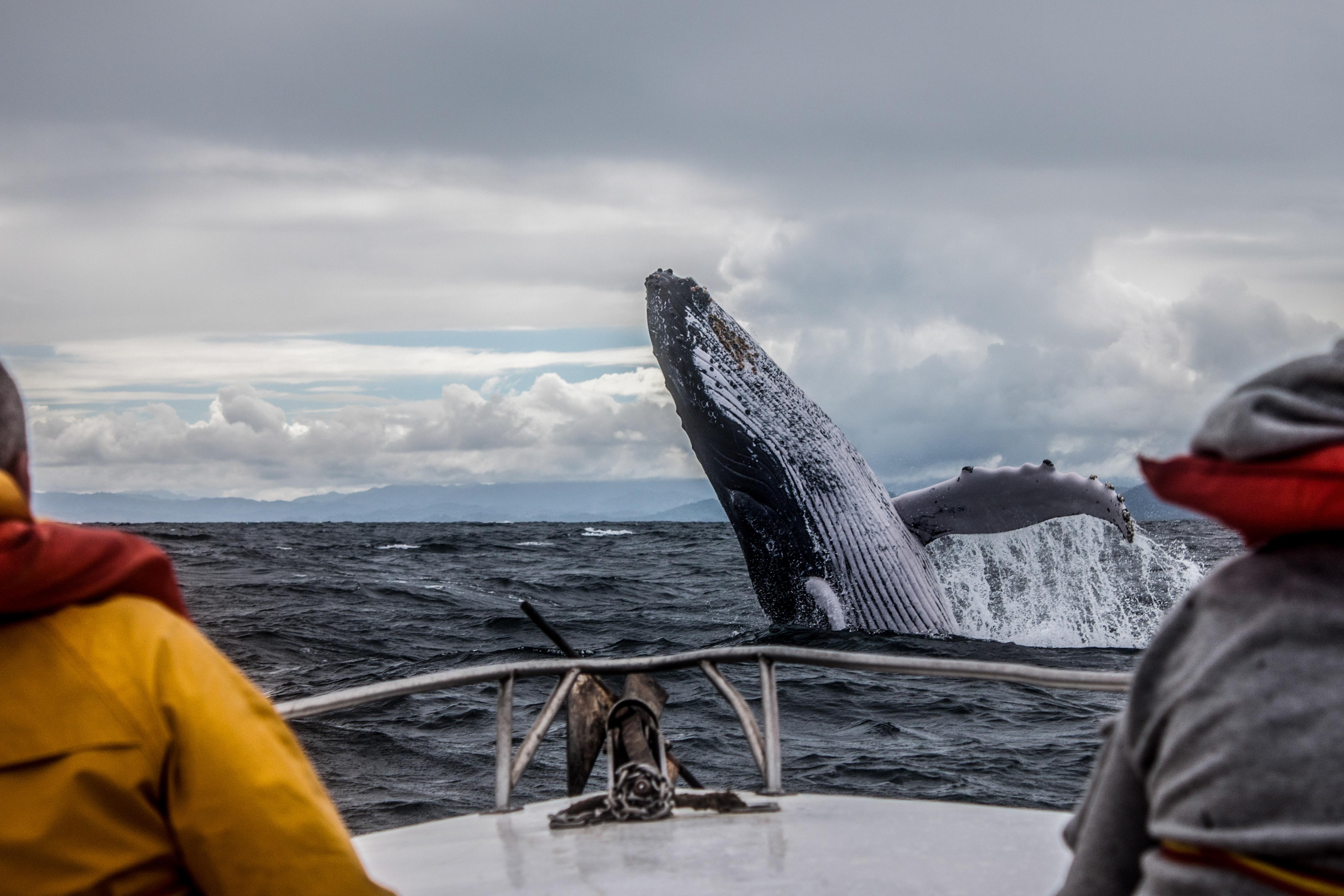
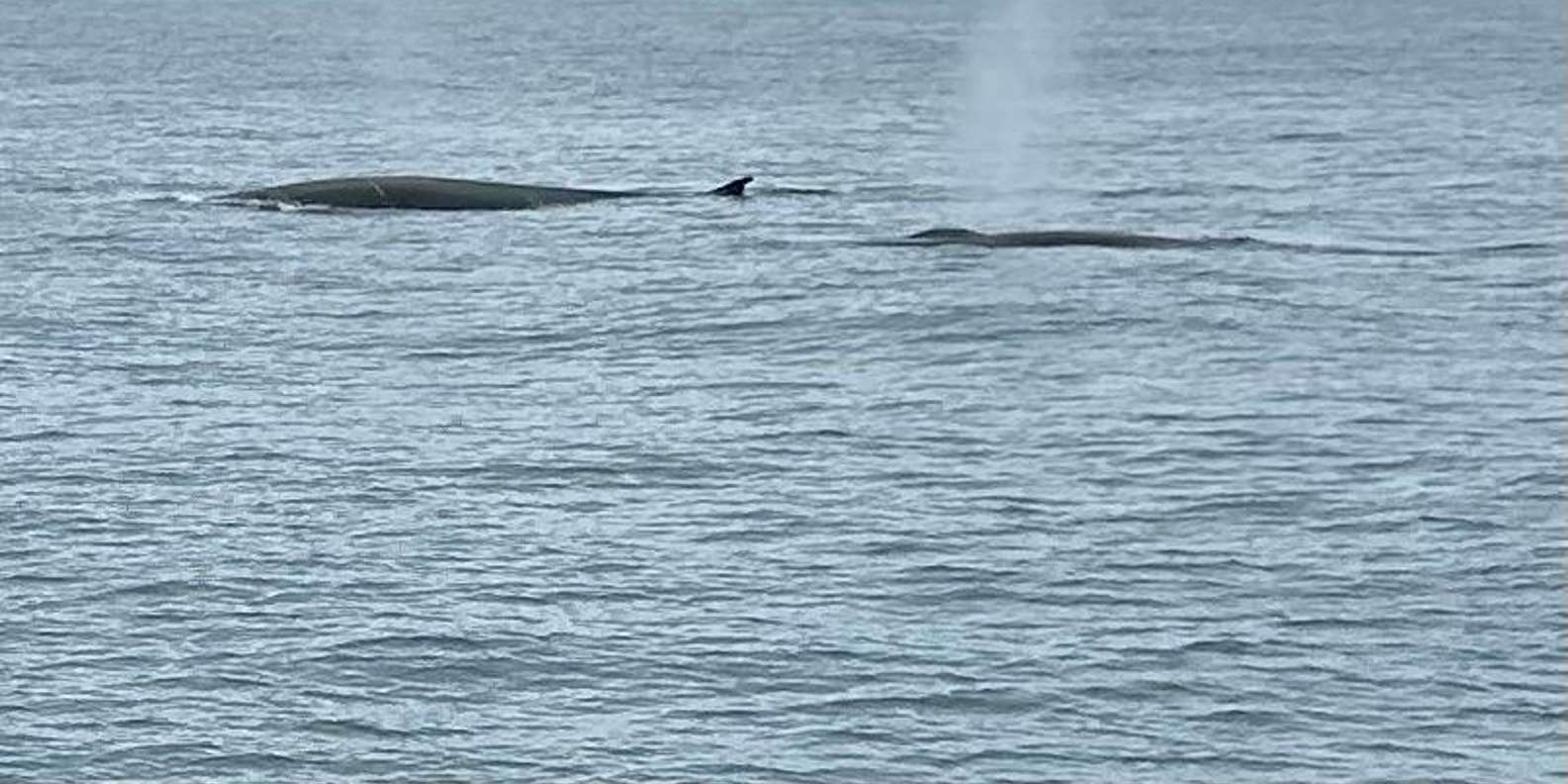
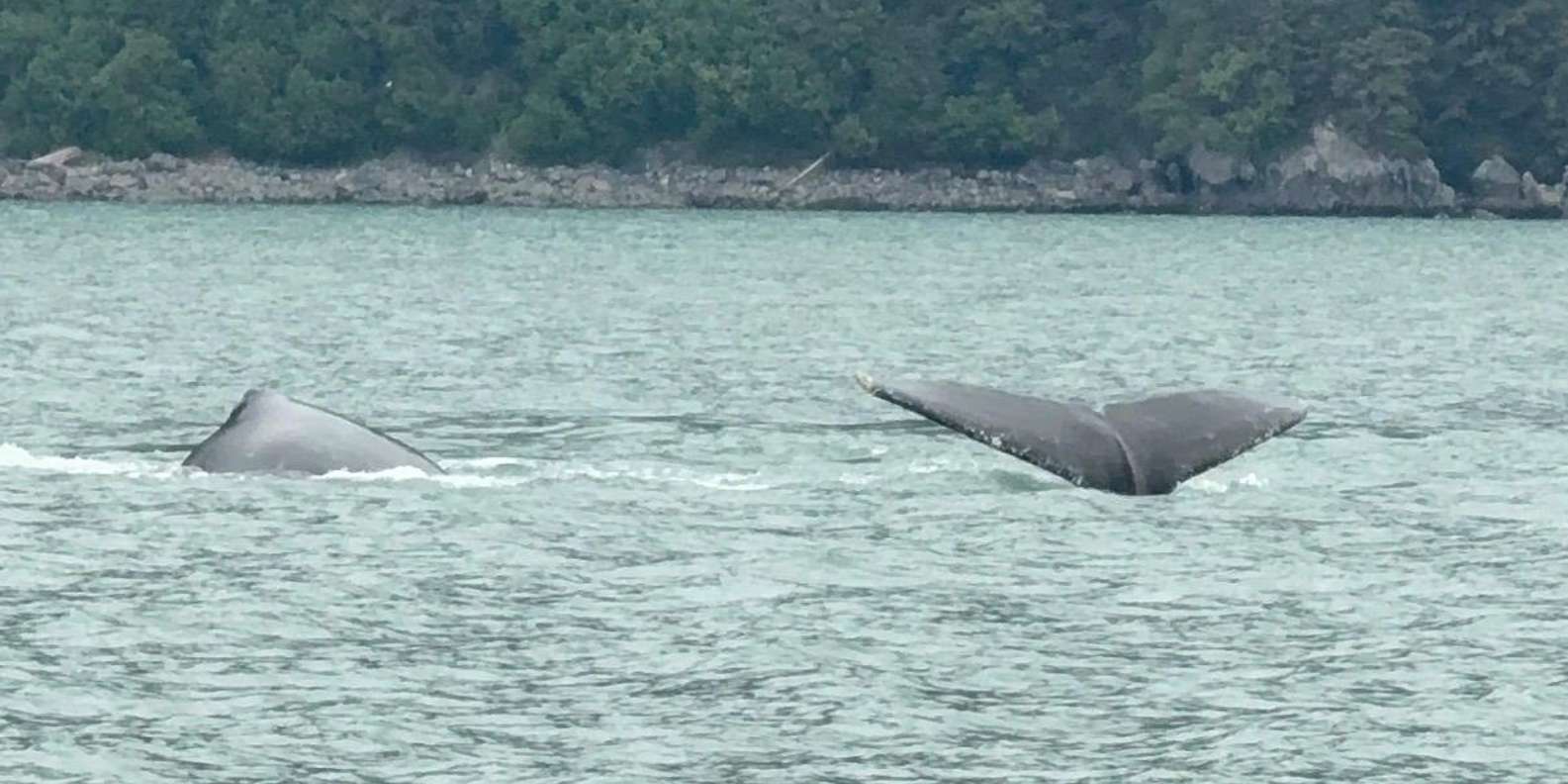
Half-day cruises ($150–$166) stay inside Resurrection Bay. They are genuinely good: the bay is sheltered, the wildlife is abundant, and you will very likely see sea otters, harbor seals, Steller sea lions hauled out on the rocks, bald eagles, and — with luck — whales. What you will not see is a tidewater glacier. The bay does not have one. If you book a half-day cruise expecting the photograph you came to Alaska for, you will be disappointed, and that disappointment is entirely avoidable.
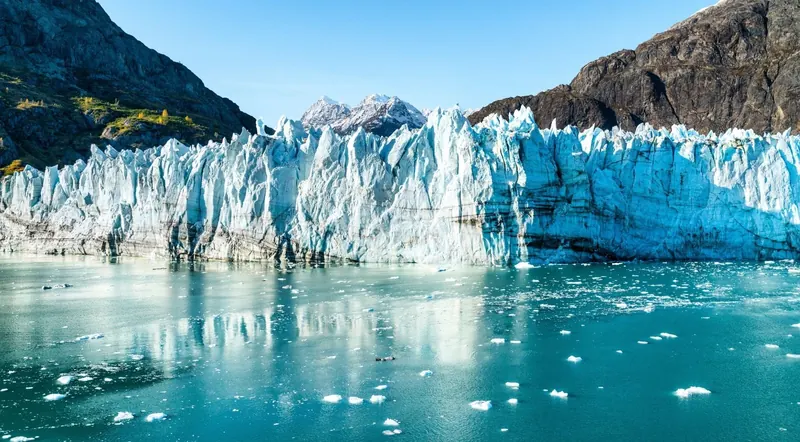
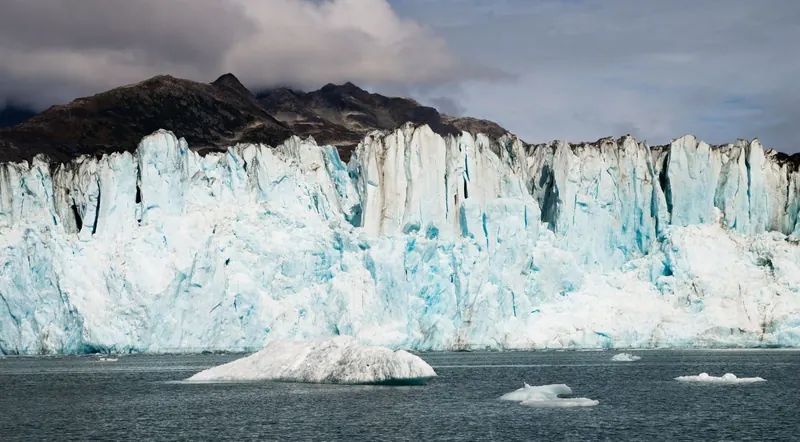
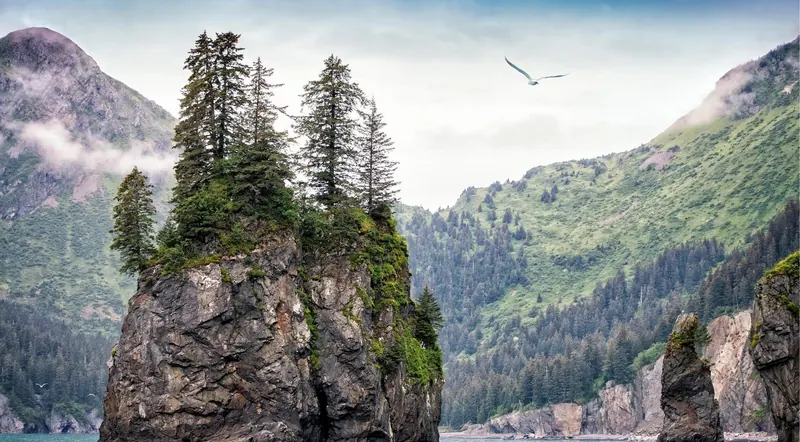
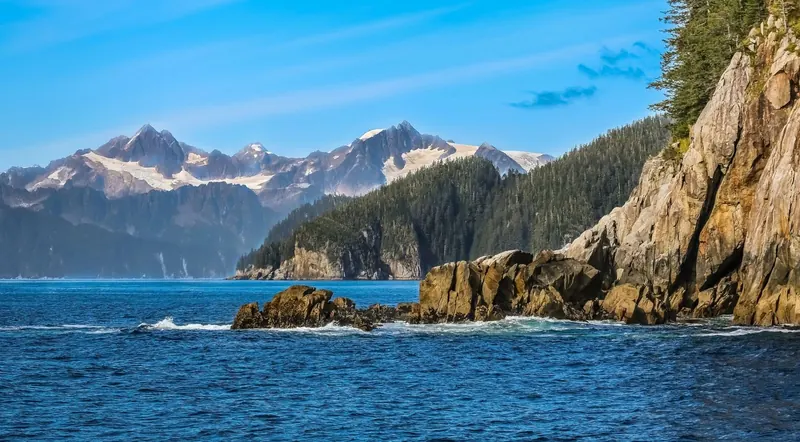
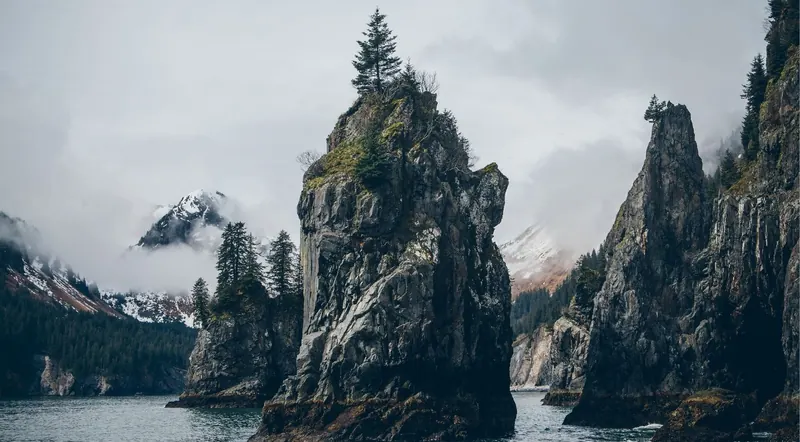
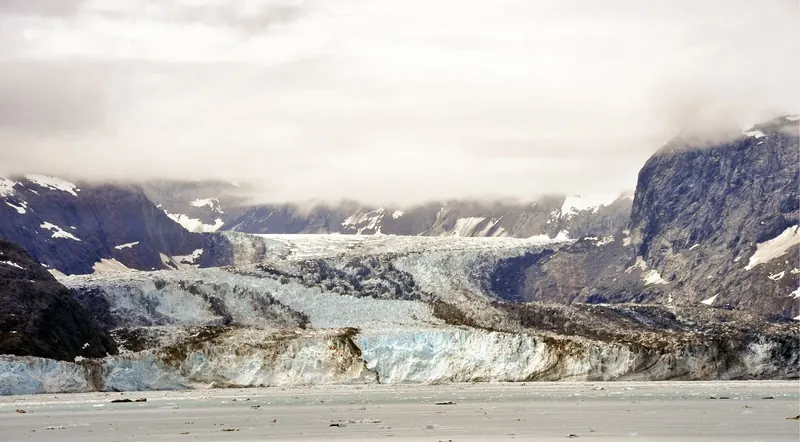
Full-day cruises ($230–$319) leave the bay. They push past the headlands into the Gulf of Alaska, run a coastline of seabird cliffs and spruce-topped sea stacks, and then stop — engines off — in front of a tidewater glacier. This is the part nobody describes well in advance. The boat holds a safe distance, everyone goes quiet, and you wait. Ice cracks somewhere deep in the face like a rifle shot, and eventually a piece the size of a building shears away and drops into the sea. That is what the extra money buys.
The 8-hour Northwestern Fjord cruise ($288) goes deeper into the park than any other day trip from Seward and visits three tidewater glaciers rather than one. It is the most ambitious itinerary available and, on a clear day, the best. It is also a long time on a boat, and a meaningful stretch of it is in open water. Our Northwestern Fjord cruise guide sets it against the 6-hour and 7.5-hour cruises and says who should book which.
Kenai Fjords Tours or Major Marine?
This is the comparison people actually search for, because two operators dominate the harbour and their itineraries overlap heavily.
The honest answer is that both are good, and the review data is the tiebreaker. Major Marine’s Glacier Cruise with Lunch ($287) carries 948 reviews averaging 4.8 out of 5 — by a wide margin the most-reviewed tour in the park, and the closest thing to a proven quantity here. Several Kenai Fjords Tours itineraries rate just as highly — the Captain’s Choice tour holds a perfect 5.0 — but on 34 reviews, a far thinner sample to lean on. A 5.0 from 34 people and a 4.8 from 948 are not the same claim, and it is worth being clear-eyed about that when a booking page shows you both.
If you want the itinerary the largest number of people have actually taken and rated well, book the Major Marine cruise; our guide to the Major Marine glacier cruise covers the 2027 sailing times, the lunch and seating, and the open-water crossing. If you want the most remote fjord and are comfortable betting on a smaller sample, take the Northwestern Fjord tour. Our Kenai Fjords tour operators compared guide goes further — vessels, meals, parking, check-in and the two six-passenger companies that do not sell online at all.
Morning or afternoon — and the seasickness question
Two practical things the tour pages tend to bury.
Seas are typically calmest in the morning, and this genuinely matters. Resurrection Bay is sheltered enough that almost nobody has trouble inside it, but the open Gulf beyond the headlands is another proposition, and a real minority of passengers feel it. If you are susceptible: take medication an hour before boarding rather than when you start to feel unwell, which is too late; choose a morning departure; and stay outside with your eyes on the horizon. Or book a half-day Resurrection Bay cruise and accept the trade — see our full seasickness guide for medications, remedies and which cruise is calmest.
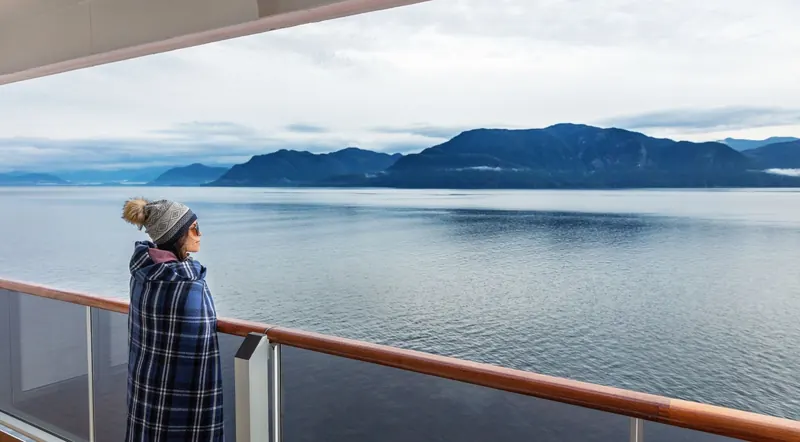
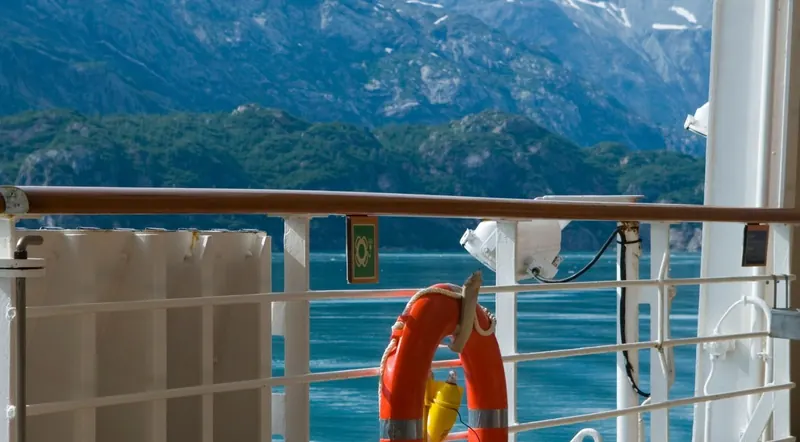
The vessels themselves are large, stable catamarans with heated indoor cabins and assigned seating — not small craft. But the best viewing is out on deck, in the wind, and Alaskan water is cold: a 60°F day feels like 40°F once the boat is moving. Every experienced passenger on that deck is wearing more layers than they thought they would need — our what to wear and pack guide sets out the three layers that matter and the one jacket you cannot skip.
When to go
June, July and August are the park’s primary months — the longest days, the most sailings, the fullest wildlife roster. The National Park Service names those three explicitly, with reduced services in May and September. Peak whale-watching runs from mid-May to early August.
The sailing season is longer than most people assume, though. Major Marine’s 2026 schedule runs from March 7 right through to October 11. Shoulder-season trips are real: May and September have far fewer park visitors with the glacier cruises still running, although May has fewer routes and September is Seward’s wettest month. Grey, drizzling days are normal here in any month, boats sail rain or shine, and the fjords under low cloud are arguably more atmospheric than under blue sky. Our best time to visit guide breaks the whole season down month by month. Coming between November and April? Our Kenai Fjords in winter guide says what stays open once the boats stop.
If you would rather not be on a boat
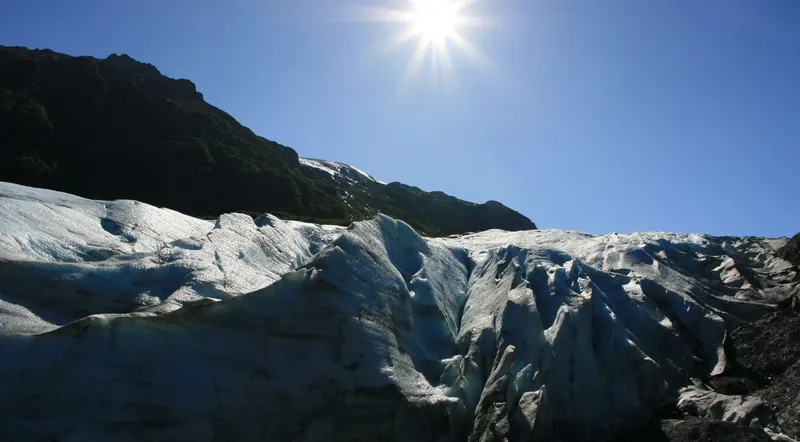
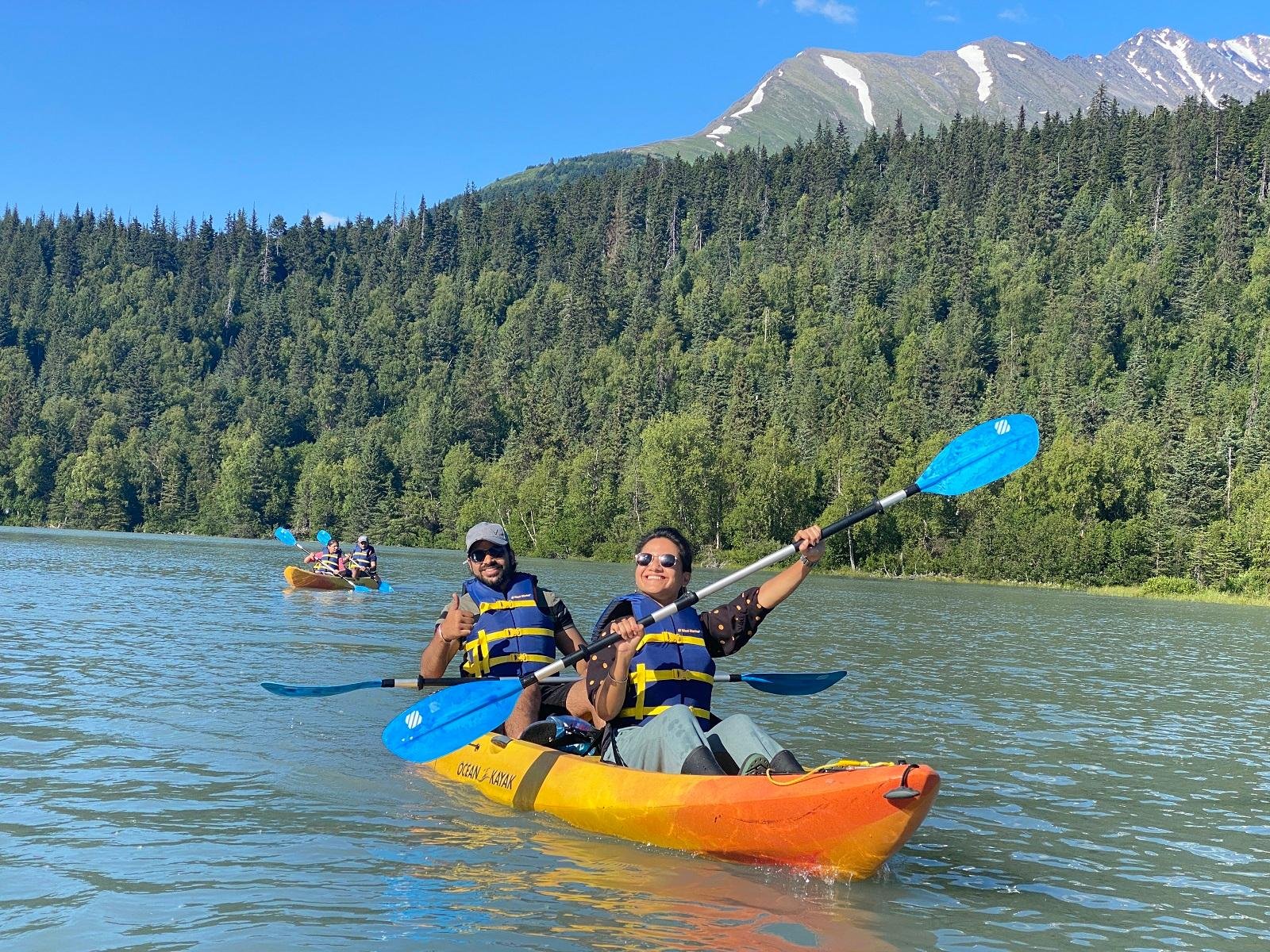
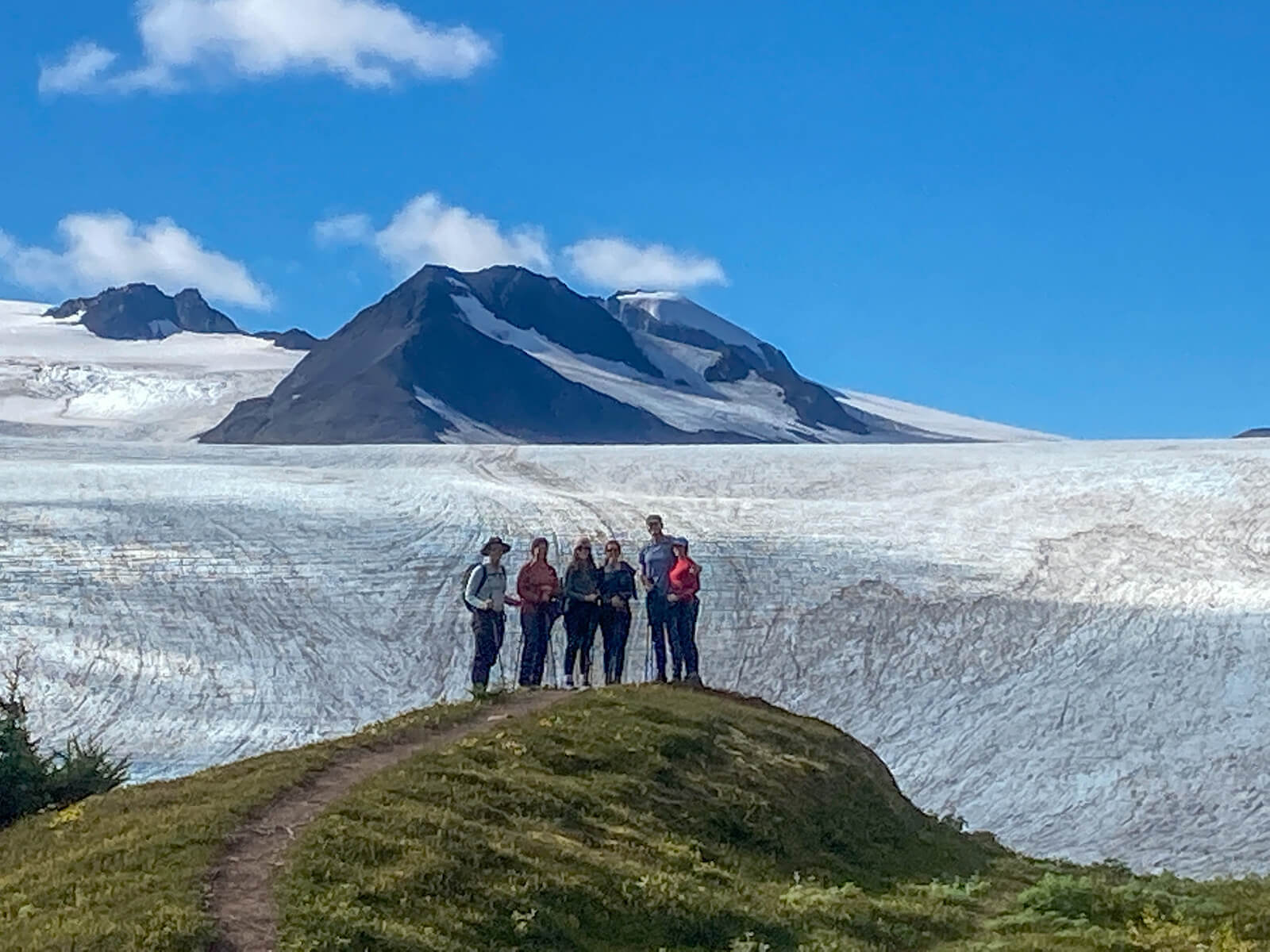
Cruises are the classic way in, but they are not the only way. Helicopter and flightseeing tours ($399–$871) put you over the icefield and land on it — Bear Glacier’s iceberg lagoon from the air is the single most spectacular thing in the region. Guided sea and lake kayaking ($141–$282) gets you onto the water at eye level, usually paired with a glacier hike. And for the one part of the park you can drive to, guided hikes run from a $67 nature walk around Exit Glacier’s 2.2-mile loop to the strenuous full-day climb up to the Harding Icefield — an ice sheet so large it generates its own weather. In winter the road to Exit Glacier closes to cars, and our Exit Glacier in winter guide compares the ways in by snowmobile, ski, snowshoe and shuttle.
All 28 of them are on this site, honestly priced and honestly reviewed. New to the park? Read our complete Kenai Fjords National Park guide for the full picture, then use our Kenai Fjords boat tours guide to match a cruise to your priorities. For everything waiting on land — Exit Glacier, the SeaLife Center, Mount Marathon and the harbour — see our Seward travel guide. Or start with the full tour list and compare the three main cruises above.
Hoping to see whales? Our Kenai Fjords whale watching guide breaks down species, season, and which cruise gives you the best published odds — and our Kenai Fjords wildlife guide is the full field guide to everything else you will see, from sea otters in the harbour to puffins on the Chiswell Islands. Based in Anchorage and only have a day? Our Anchorage to Kenai Fjords day-trip guide lays out exactly which cruise to book and how the drive-or-train timing works. Want to know exactly which glacier each cruise reaches? See our Kenai Fjords glaciers guide. And if you’re staying the night, our where to stay in Seward guide compares the harbor, downtown, and the wilderness lodges.
Wondering how Kenai Fjords stacks up against Alaska’s other glacier cruises? Our Kenai Fjords vs. Glacier Bay vs. Prince William Sound guide compares access, cost, and wildlife across all three honestly.